Discoveries
I never knew that.
Official pages, odd facts, and no invented firsts.
The oddest official facts on this desk are not always the finished models. They are the first things the companies made, the firsts they still claim, and the methods they will not describe.
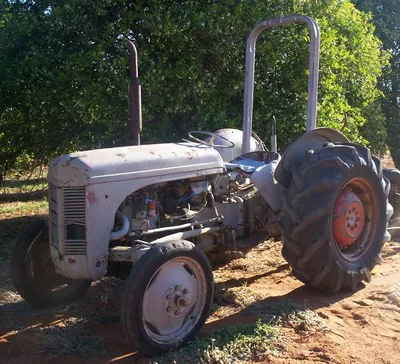
Airfix made combs, then a promotional tractor
Before the Golden Hind, Airfix’s history page has rubber toys, a nationwide comb business in 1947, and a 1949 Ferguson TE20 made first as a pre-assembled promotion, then sold as a kit because assembly was too costly. The first ‘true’ kit, in Airfix’s own quotation marks, is still the 1952 Golden Hind. [source]
‘The birth of plastic model making’ is Revell’s sentence
Revell’s UK history dates that birth to Lewis H. Glaser, in Venice, California, in 1947, and to the idea of a true-to-scale car from several plastic parts. [source] Airfix, separately, calls itself the oldest UK manufacturer of scale plastic model kits, producing for the mass market since 1952. [source] Both claims can be read on their official pages. This desk does not pick a winner.
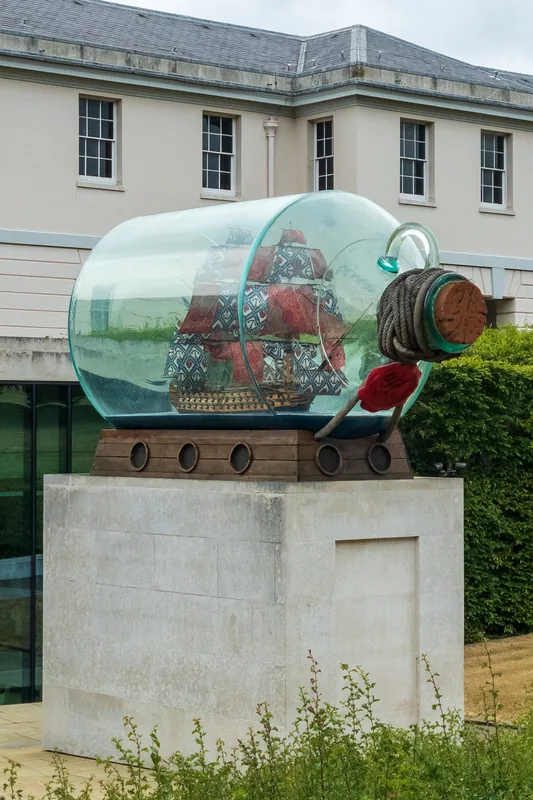
A ship in a bottle whose method is a secret
Royal Museums Greenwich will describe the typical nineteenth-century method — cotton threads on the masts of a ‘flat-packed’ ship, pulled once the hull is inside — and, in the same paragraph, will not describe how Yinka Shonibare got Nelson’s ship in. That method is “shrouded in secrecy.” [source]
Walnut shells at the ILM shop
A 2013 StarWars.com article names walnut shells as a longtime “secret” ingredient at the ILM Model Shop, and records a 34-foot, $500,000 zeppelin for The Rocketeer that took two months and was wrecked. [source] A 2019 Lucasfilm page remembers a Theed City model “something like 40×60 feet,” and says the traditional shop “is no more.” [source]
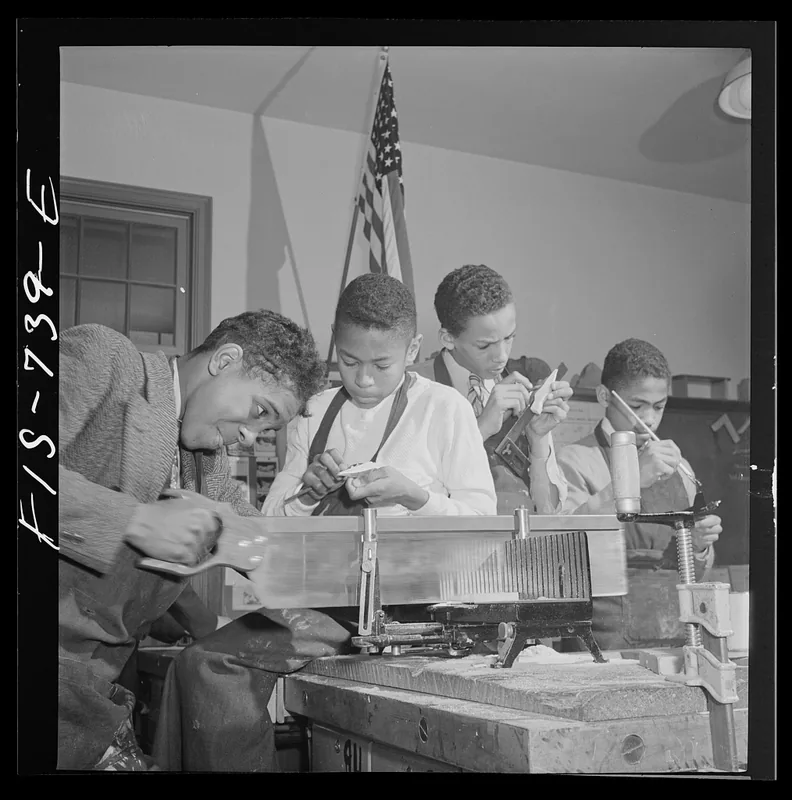
A Blenheim taken for a Ju 88
The RAF Museum’s Bf 110 recognition-model record includes a dated case: on 15 August 1940, Spitfire pilots attacked a Blenheim after mistaking it for a Ju 88. Models helped because they could be viewed from any angle. [source]
Enjoyed a desk of official kit histories, unblended firsts, and a practical workbench?
No pop-ups. No intrusive advertising. Just interesting stuff. A little support helps the next ReallyByte site get built.