FAQ
Questions, answered from official pages.
Where a first is contested, the answer keeps more than one official sentence.
When did Airfix start making kits?
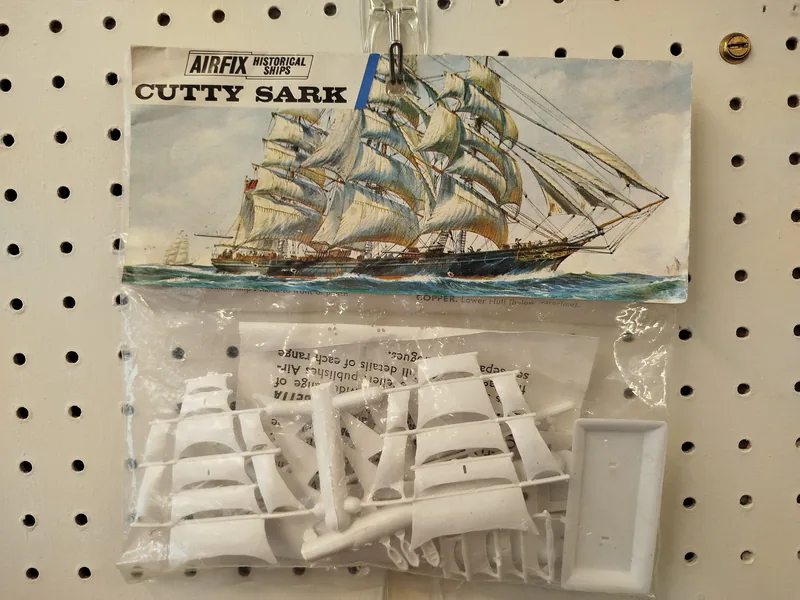
Airfix’s about page says it has been producing kits for the mass market since 1952, and that it is the oldest UK manufacturer of scale plastic model kits. [source] The history page adds a 1949 TE20 promotional model later sold in kit form, and calls the 1952 Golden Hind the first ‘true’ Airfix kit. [source]
Did Airfix really make pocket combs?
Yes. The official history says that by 1947 Airfix was the UK’s largest manufacturer of pocket combs, after rubber scarcity in the 1940s led to alternative materials. The company began, that page says, in 1939 with rubber inflated toys. [source]
Who made the first plastic model kit?
This desk does not name a single official winner. Revell’s UK history calls 1947 “the birth of plastic model making.” [source] Airfix describes its own UK mass-market role from 1952. [source] Tamiya dates its first all-plastic kit to May 1960. [source]
When did Hornby trains begin?
Keep the official sequence: name in 1909, ‘Raylo’ in 1915, Clockwork Train in 1920, electric versions in 1925, Hornby Dublo in 1938. [source]
How do you get a ship into a bottle?
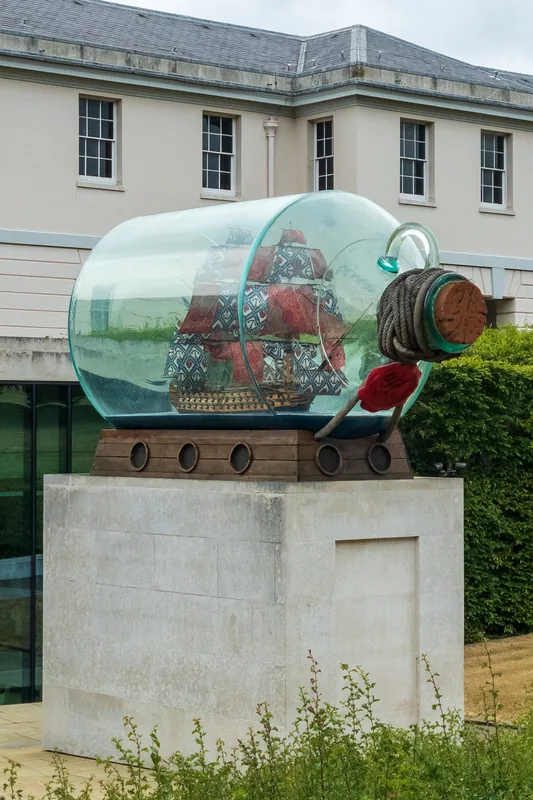
Royal Museums Greenwich says the typical technique uses cotton threads on the masts of a ‘flat-packed’ ship, pulled to raise the masts once the ship is inside. It also says Yinka Shonibare’s method for Nelson’s Ship in a Bottle is “shrouded in secrecy.” [source]
What is a recognition model?
A model used to train people to identify aircraft. The RAF Museum describes a German-made Bf 110 model used to train aircrew in aircraft recognition, and notes that models could be viewed from any angle. [source] The IWM describes one of its objects as a “Simple, solid recognition model,” 4 cm high. [source]
Is this site affiliated with Airfix, Tamiya or Revell?
No. Craft My Model is an independent ReallyByte site. Manufacturer names identify the official pages and photographs quoted. A Tamiya modelling-guide link is an ordinary editorial link. Kit instructions and product labels take precedence.
Do the workbench tools tell me how to thin paint or which mask to wear?
No. The scale bench divides a length by a scale denominator, or gives a print percentage from two denominators. The build card records a project. The finish finder is a visual-planning checklist. None of them certifies product compatibility or prescribes safety equipment. Follow the kit’s age guidance and each product label.
Are the shop links advertisements?
Yes, when they go to Amazon. They are labelled “Ad · affiliate link.” They open Amazon UK category searches with the tag craftmymodel-21. As an Amazon Associate I earn from qualifying purchases. See the affiliate disclosure.
Enjoyed a desk of official kit histories, unblended firsts, and a practical workbench?
No pop-ups. No intrusive advertising. Just interesting stuff. A little support helps the next ReallyByte site get built.