Kits
Three official histories, and more than one ‘first.’
Airfix, Revell and Tamiya each tell their own story. The dates are official, and they are not the same sentence.
Three manufacturers, three official stories, and more than one sentence about a ‘first.’ This page keeps the wording each company published, and does not average the dates.
A desk of official firsts
Airfix, in Airfix’s words
Airfix’s about page says: “Airfix is the oldest UK manufacturer of scale plastic model kits and has been producing kits for the mass market since 1952.” [source] The longer history page begins earlier. The story, it says, begins in 1939 in London with Hungarian refugee Nicholas Kove. The first iteration manufactured rubber inflated toys. The name came from “fixing air into products,” and from having the name at the beginning of business directories. [source]
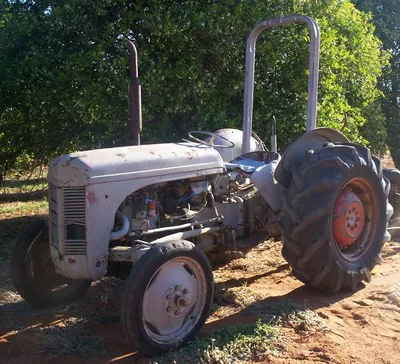
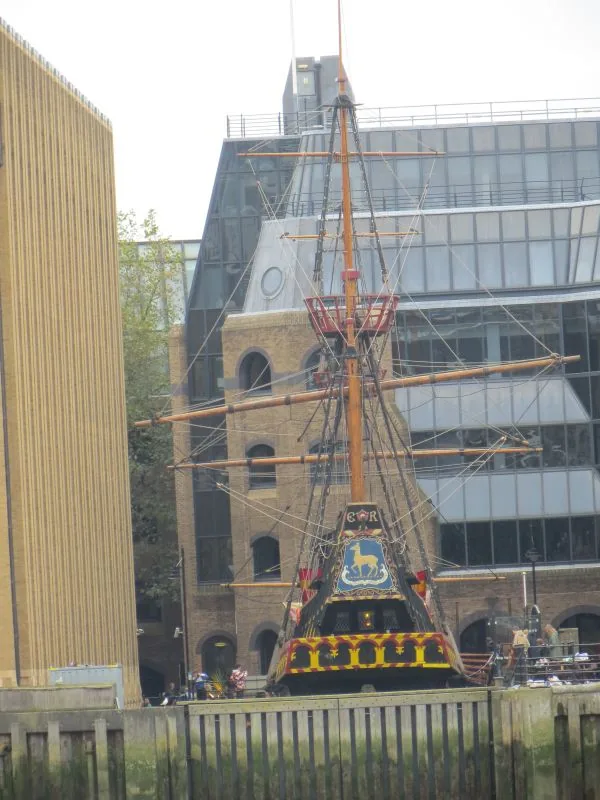
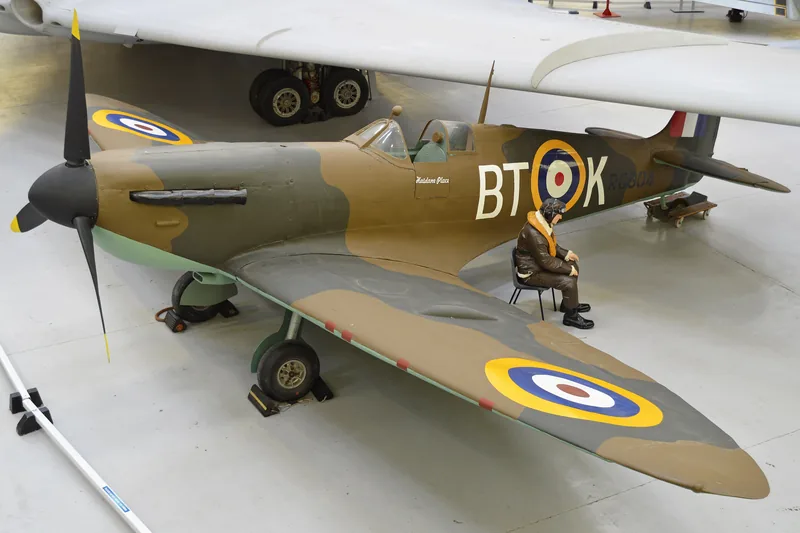
Rubber became scarce in the 1940s, and Airfix turned to other materials. By 1947, that history says, it was the UK’s largest manufacturer of pocket combs. In 1949 it was commissioned to produce a pre-assembled promotional model of the TE20 tractor; assembling the models was found time-consuming and costly, and the tractor was eventually sold in kit form. In 1952 the Golden Hind was released — “our first ‘true’ Airfix kit” — and sold in Woolworth’s for two shillings. The famous ‘BTK’ Spitfire was launched in 1953, the first in a long line; it was replaced by a Spitfire IX in 1959, which remained in the range until 2005. Nicholas Kove died in 1958. [source]
After trading hands, Airfix and Humbrol were bought in 2006 by Hornby Hobbies Ltd. Humbrol, the same official page says, was founded in 1919 as the Humber Oil Company, with Art Enamel following in 1935, and was acquired with Airfix in November 2006. It sits alongside Hornby model railways, Scalextric and Corgi. [source]
Revell, in Revell’s words
Revell’s UK history page places a different first on a different continent: “in Venice / California in 1947, the founder of Revell Inc. Lewis H. Glaser came up with the idea of assembling a true-to-scale car from several plastic parts. That was the birth of plastic model making.” [source] In 1956 a German subsidiary, Revell Plastics GmbH, was founded in Bielefeld, and the headquarters moved to Bünde a year later. The first in-house development, that page says, was a BMW R75/5 in 1:8, in 1971. [source]
Tamiya, in Tamiya’s words
Tamiya’s official history begins in May 1946, when Tamiya Shoji & Co. was founded as a sawmill and lumber company in Oshika, Shizuoka City. A wooden model section followed in April 1948. In June 1953 the company became a specialised wooden model kit maker. The first all-plastic kit, that history says, was a 1/800 scale Yamato battleship, in May 1960. In January 1962 came the first 1/35 scale motorized tank, the Panther. [source] Yoshio Tamiya was the founder; Shunsaku Tamiya joined in 1958. This site is not affiliated with Tamiya. A manufacturer reading link to Tamiya’s basic plastic-modelling guide is an ordinary editorial link. [source]
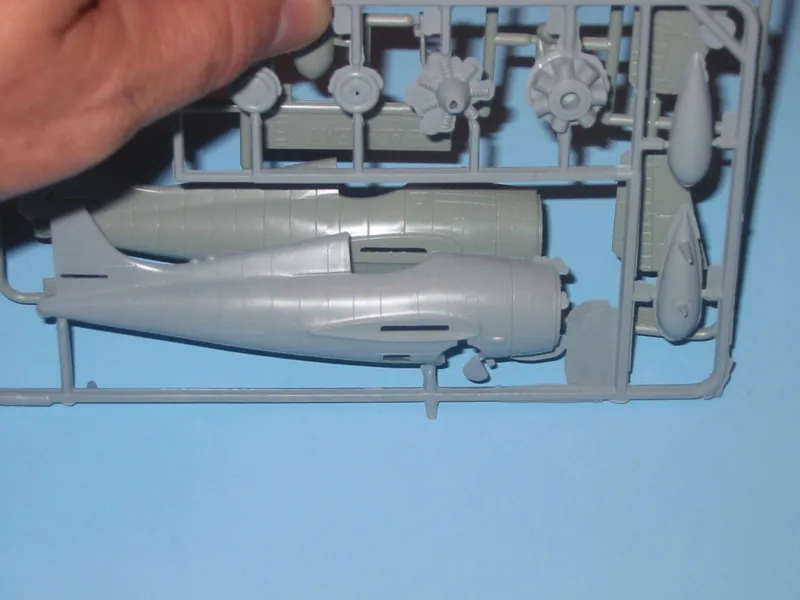
Frog, another name often mentioned in kit history, is not given a section here. No official company or museum page for Frog was successfully opened when these stories were checked, and this desk does not invent one. The gap is recorded in the field notes.
Enjoyed a desk of official kit histories, unblended firsts, and a practical workbench?
No pop-ups. No intrusive advertising. Just interesting stuff. A little support helps the next ReallyByte site get built.